AI, Machine Learning, and Web Projects
Since early 2025, I’ve maintained a repository on GitHub containing all of my experimentations and playgrounds with machine learning & artificial intelligence. I also have other repositories containing web apps and platformer games. In these repositories, I’ve trained sentiment analysis models, Kaggle challenge models, CIFAR image classification systems, and traditional linear regression models.
Active Featured AI Model
The Ashryver V1 Painting Classifier, which is my first live, web-accessible model, identifies paintings by 20 different Impressionistic and modern artists. It uses the PyTorch fast.ai framework and is hosted on HuggingFace.
The model achieved 0.89 training accuracy and performed well on the subset of test images I fed into it after training. It is now being hosted on HuggingFace with a Gradio API (and directly on my Quarto portfolio site, with some custom JavaScript and UI in the future). Although this V1 model is not perfect, and I have plans for a better V2, the Ashryver classifier is a big step forward in terms of model accessibility from my older, local-only projects.
Read the V1 summary post here, or use the model on HuggingFace.
Other models & projects
QuickDraw shape recognition
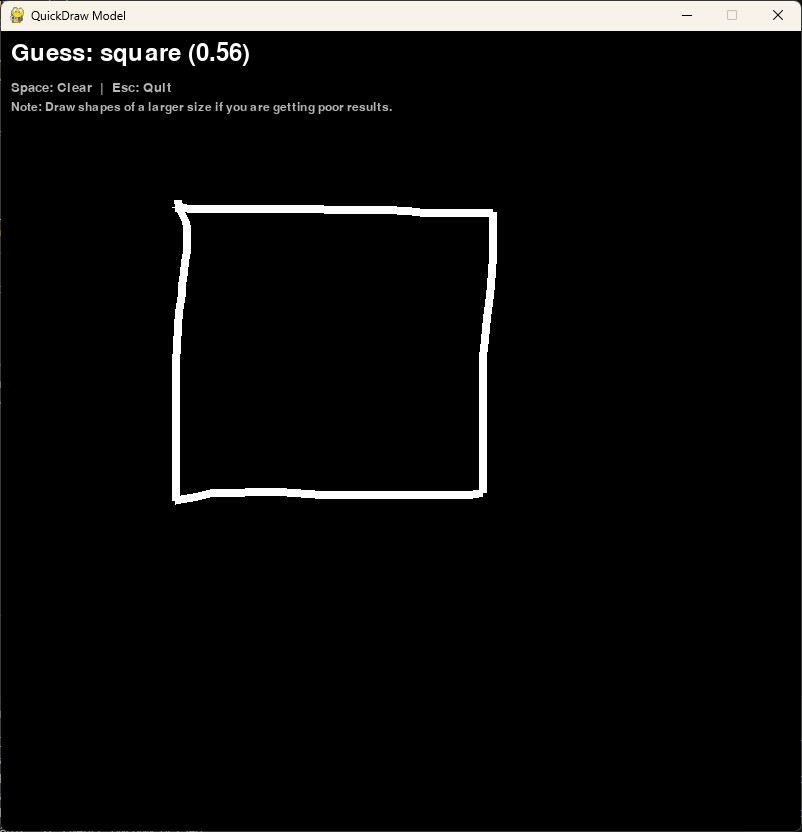
This year, I finished fixing transient bugs in the QuickDraw Shape Recognition Model, which can be employed in a Pygame format to recognize shapes drawn by the user with the mouse. Currently, I’ve trained models to recognize shapes and fruit, and I’m working on other categories as well.
Kaggle Titanic random forest model
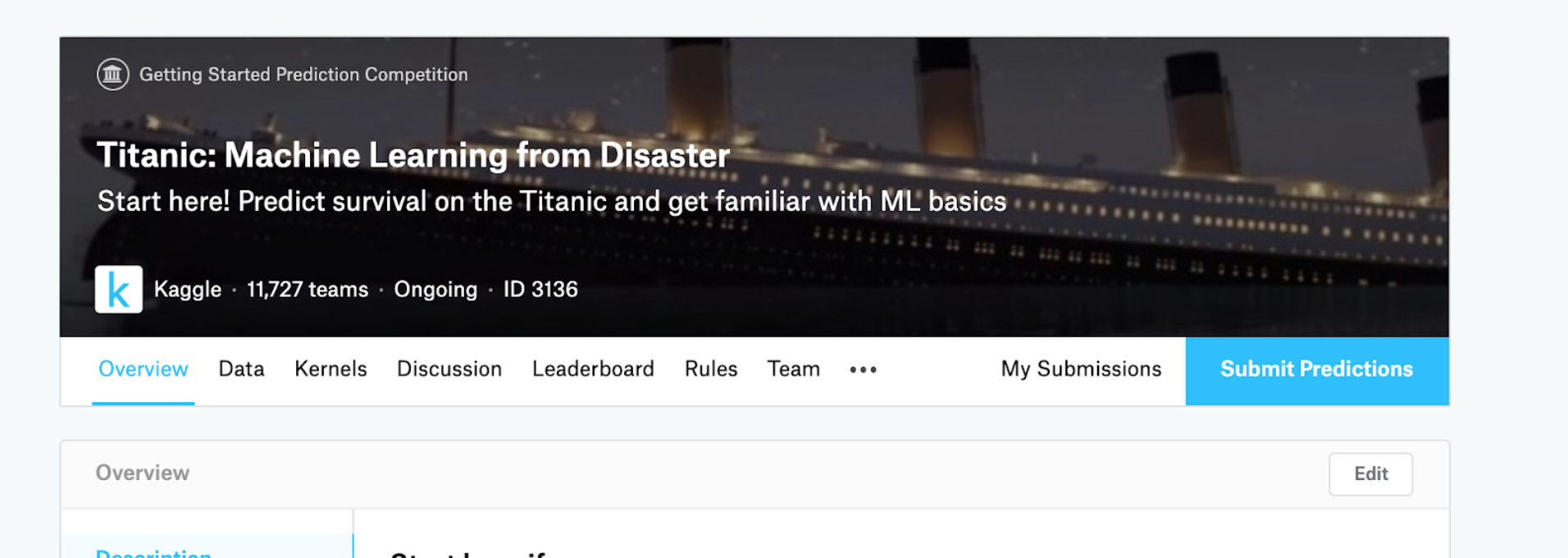
For the Kaggle “Titanic – Machine Learning from Disaster” challenge, I created and trained a Random Forest Classifier model to accuratley make predictions as to the survival of passengers. After several attempts, I was able to get the public score (accuracy) to ~0.787.

Virtual Card Deck App
In 2025, I built a simple virtual card deck site that allows users to draw, shuffle, and reset a couple of pre-created card decks. (They also had the option to customize the decks by cloning the code). Now, I’m working on a revision with a UI that allows the user to configure their own decks through the site.
Complete Project
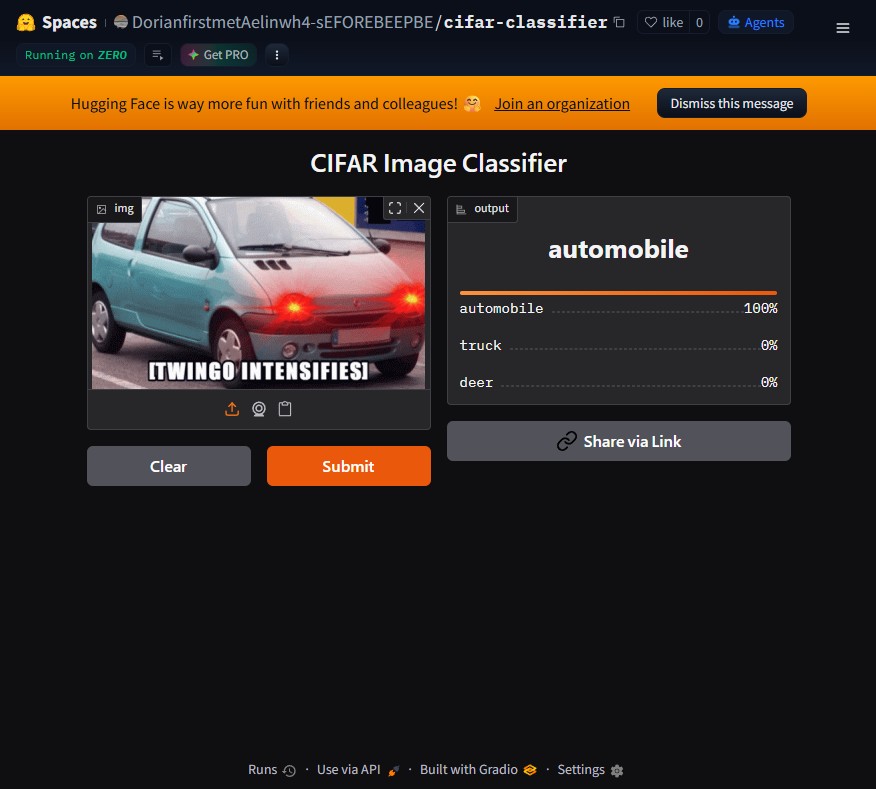
The CIFAR Image Classification Model, which I trained in 2025 and uploaded to GitHub in 2026, classifies a wide range of images of everyday objects. Trained on 60,000 images from the CIFAR-10 dataset, the model is a convolutional neural network that can be used to assist in personal image-related tasks.
The model achieved 0.89 training accuracy and 0.79 validation accuracy, with several batch normalization layers and convolutional layers. It uses the default 10 categories provided by the CIFAR dataset, and can be used via a Gradio embed, on Quarto, or on HuggingFace.