
Welcome back to Day Two of the 2026 Ivy League Tour. Today we visited the Massachusetts Institute of Technology (MIT) and Harvard, both of which are pretty close to each other in the Boston area. In this post, find some comments and a review of the two colleges, in addition to some photos.
On the whole, I found MIT and Harvard to be pretty close to each other, in terms of quality of campus layout and diversity of student programs. MIT was drastically different architecturally from the neogothic designs of Yale and Brown, of course, but it had its own unique styles in many different ways. Harvard was more similar to Yale in terms of design and layout overall. Read more about these comments in the sections below.
MIT (Score: 4.6/5)
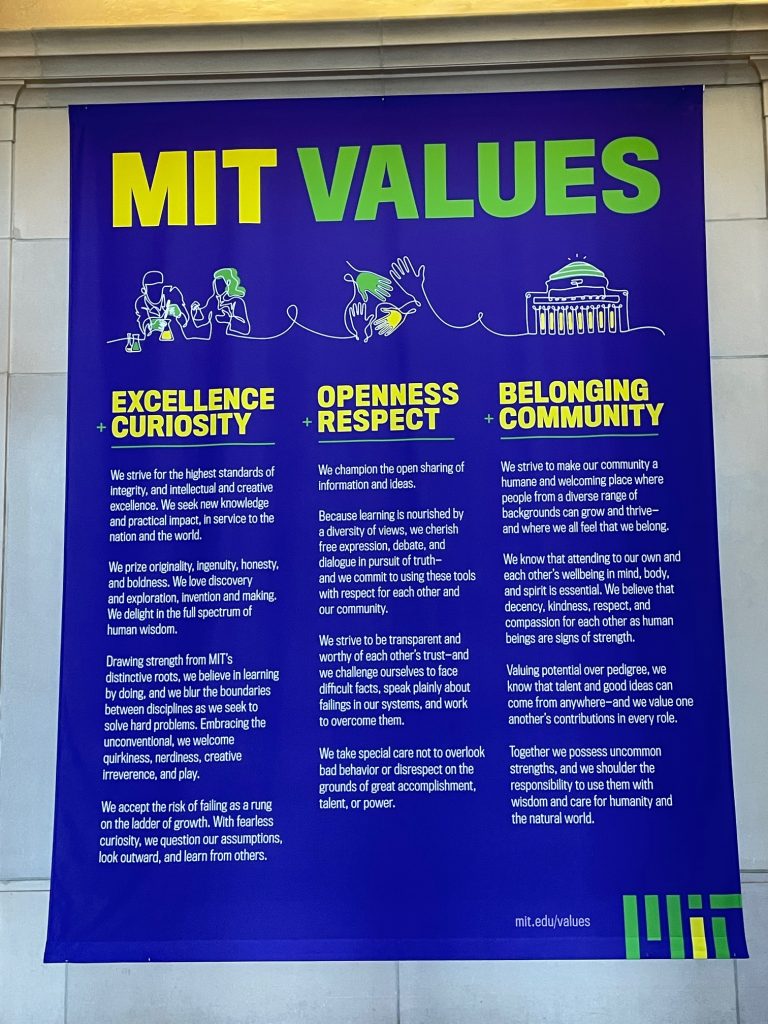
As expected, the design and layout of the MIT college was significantly different from that of the others we’d visited. The building designs were much more modern, and occupied a larger total area. We actually ended up entering the hallways of several buildings, peeking inside the classrooms to see how things are organized. Everything seemed very organized and coordinated, and easy to keep track of.
MIT’s classrooms still seem to use traditional chalkboards, but they have different layers of boards that you can drag down over other ones, useful for writing long equations that you don’t want to erase yet. The layout of the classroom appeared to be very comfortable (not an auditorium design though) with long rows of tables and chairs.
We didn’t have a student tour guide when visiting MIT, but we did manage to check out a large number of the buildings on campus. Here are a few photos from the tour:

Harvard (Score: 4.3 / 5)
Our tour of Harvard took place during some of the coldest weather of the week. However, we did have a student guide to show us around the campus, which was similar to Yale in architectural style and layout. There were some hidden features and statues embedded in various gates, like the rabbits and watches present in one of the campus side gates. There was also a large dining hall that seemed to be the inspiration for the fictional Great Hall at Hogwarts.
As with Yale, there was also a statue of Harvard’s founder in the main courtyard, and touching the toe of the statue was said to provide good luck to the students. We weren’t allowed to enter any of the buildings on the Harvard campus, however, so there really wasn’t much information or insights there.
There is a recurring theme of the “Three Lies” at Harvard. The first one is that the statue of John Harvard in the main courtyard isn’t actually of John Harvard (the sculptor had to use a student model as no actual image was available). The second is that the university was founded in 1636, not 1638, as the statue proclaims. The final one is that John Harvard wasn’t the actual founder, and that he was only a major benefactor who donated to the university.
While we didn’t have the opportunity to enter any buildings on the Harvard campus, it did seem like the options for outside interests and clubs weren’t as varied as with some of the other universities. There didn’t appear to be very many flyers advertising other clubs, or details about student programs or organizations outside of classes, which can be a crucial aspect of the college experience.
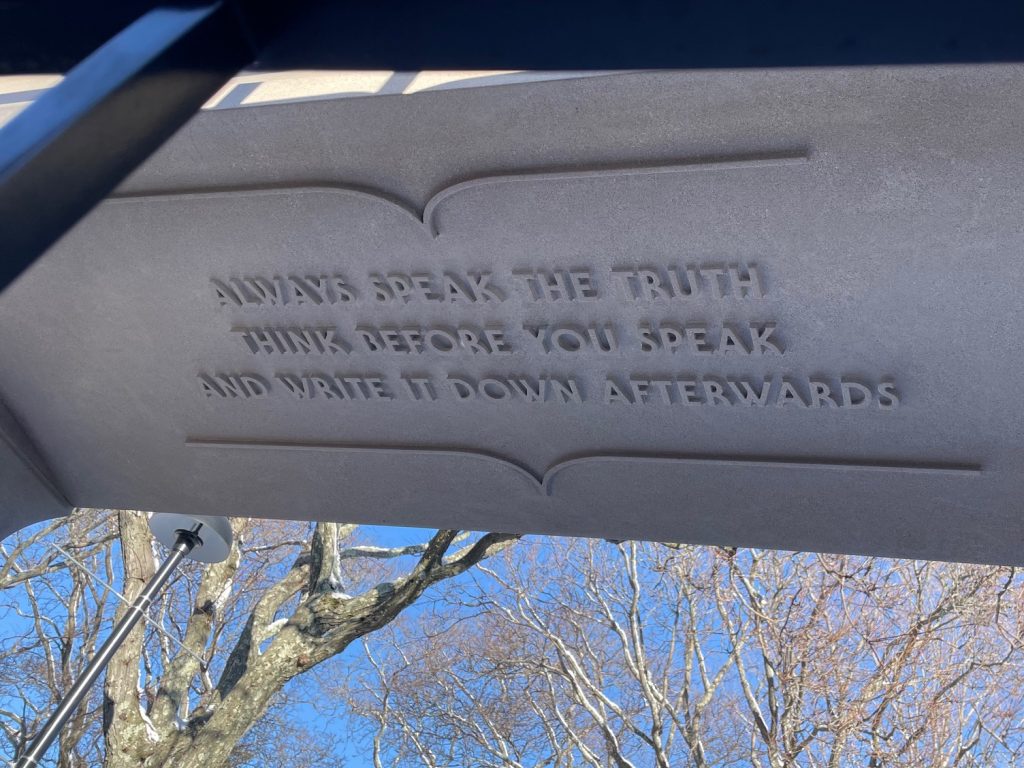
Here are some photos of our adventures on the university campus:


Leave a Reply