Here we are on the final log of the 2026 Ivy League Tour (although there might be a special fourth log containing some additional information about Columbia and Juilliard). On Wednesday, we visited the University of Pennsylvania and Princeton, which are about an hour and a half away from each other.
I was thoroughly stunned by many aspects of Princeton, ranging from the breathtaking campus design, to the versatile student programs, and the expansive classrooms and halls. UPenn was slightly less memorable and notable, and ranked more among Brown and Harvard. Overall, it seemed like Princeton surpassed Yale in all categories, although the two colleges are still pretty close in overall score.
University of Pennsylvania (Score: 3.8 / 5)
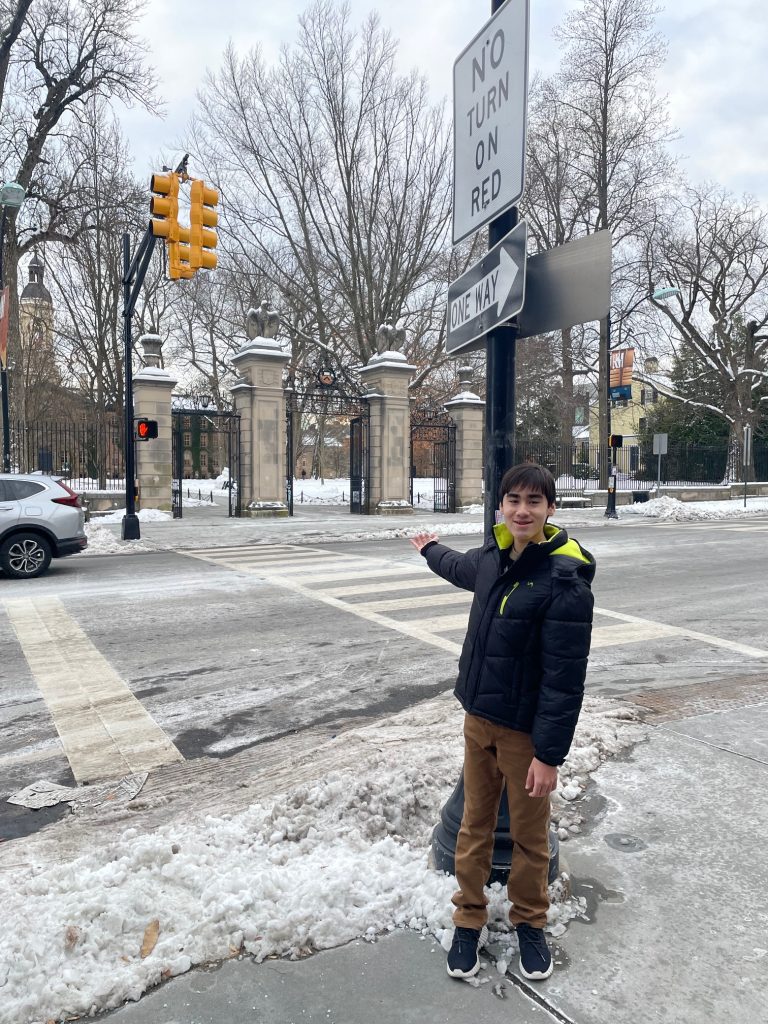
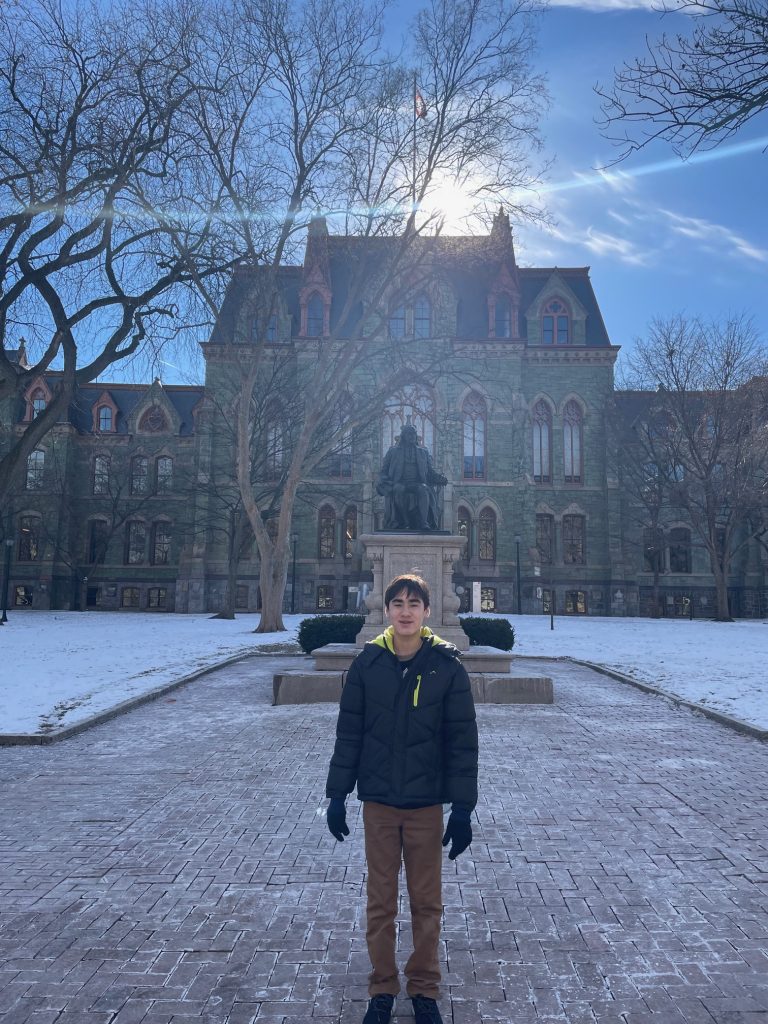
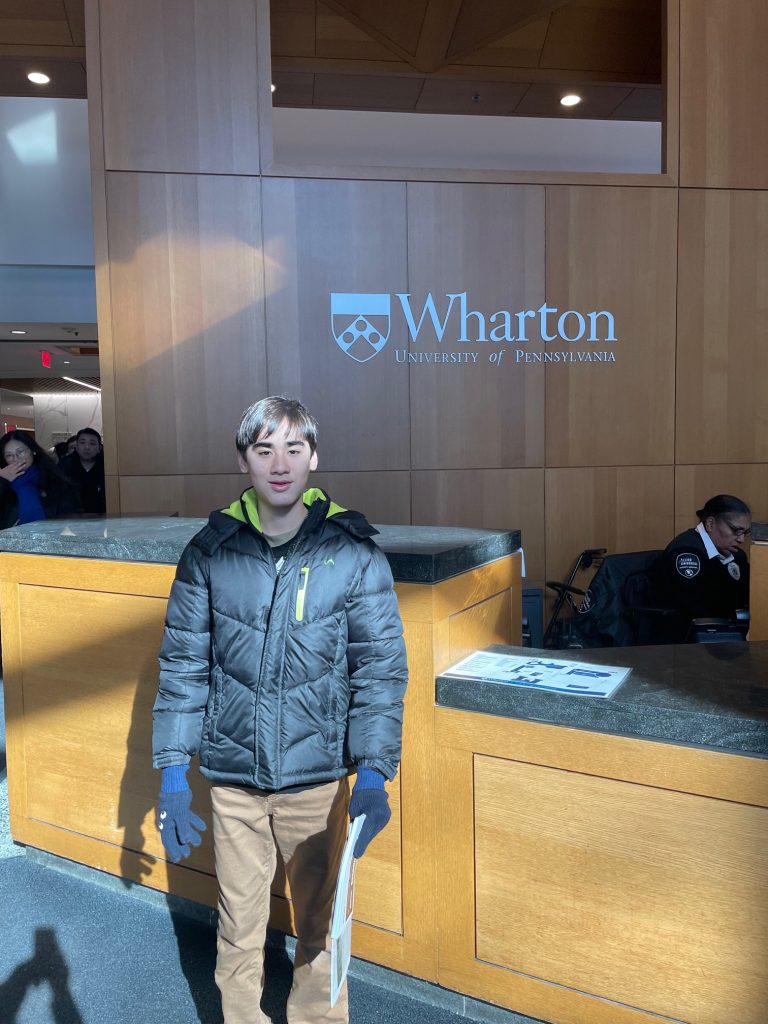
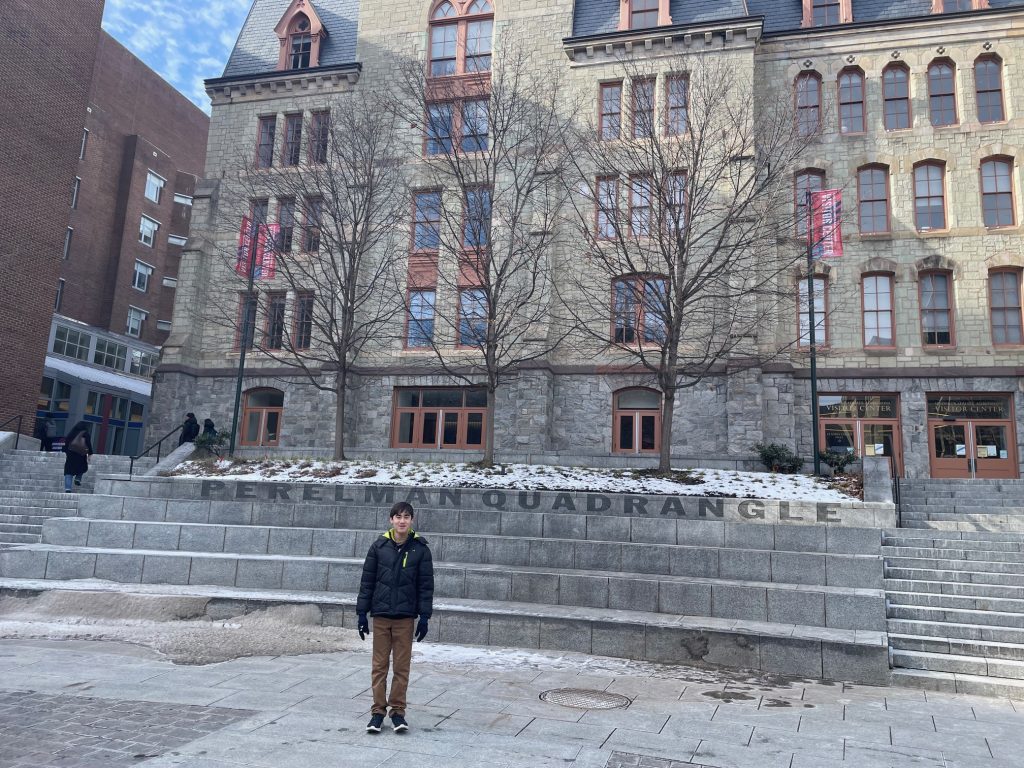
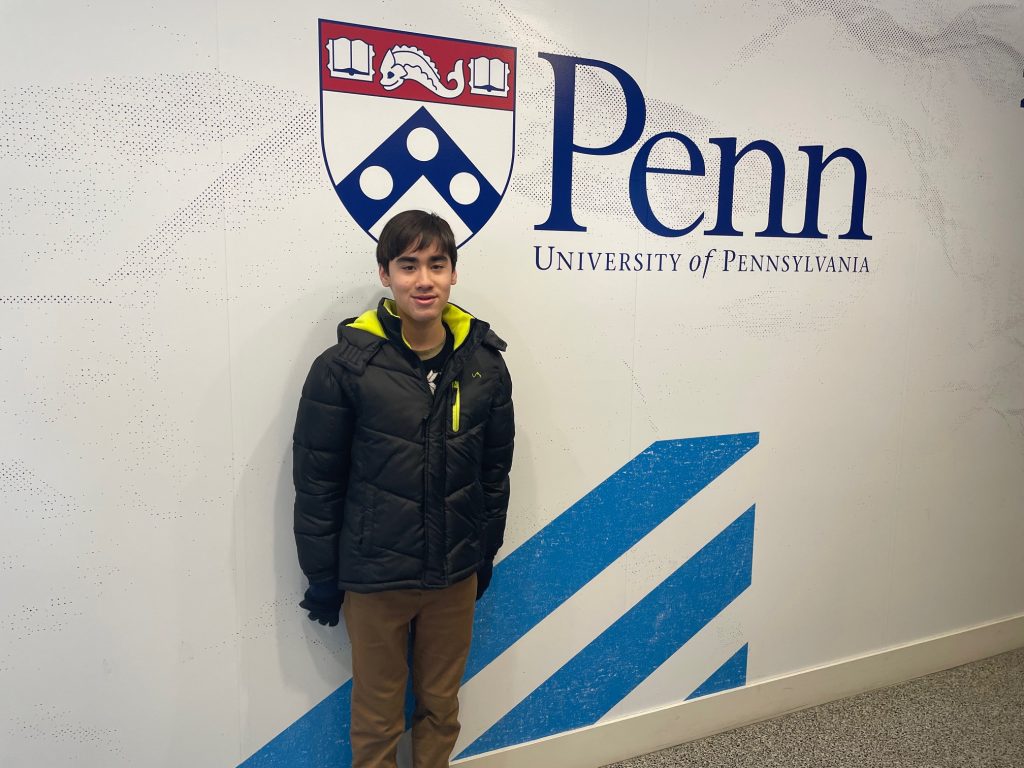
Located in West Philadelphia, UPenn’s campus is about the same size as many of the other universities we toured. The university featuers many different departments and divisions, ranging from Penn Arts and Sciences to the Wharton school to Penn Medicine. On the tour, we entered some of the buildings from the Wharton school–and ate lunch there–and peeked inside the Penn visitor center.
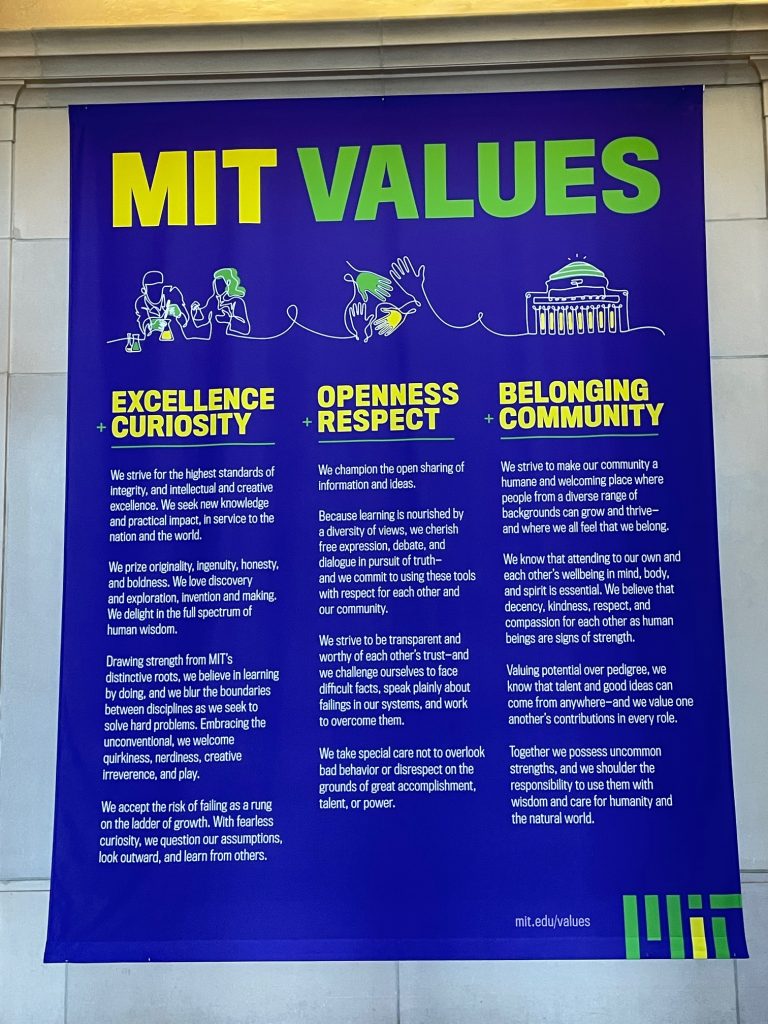
On the whole, though, I found the UPenn campus to be very bland and not as memorable as any of the other universities. I also didn’t get a very strong sense of values or missions from the university’s message, and I was left feeling a little unsure about the principles UPenn wants to uphold. With MIT, for example, there was a clear message of curiosity, authenticity, and imagination spread throughout the campus and its mission statements. UPenn, however, didn’t seem to have any of that. This was the primary reason for its lower score.
Below, find a few photos of the UPenn campus that we took, some inside the Wharton school buildings and others inside the university’s visitor center.

Princeton University (Score: 5.0 / 5; Tour Winner!)
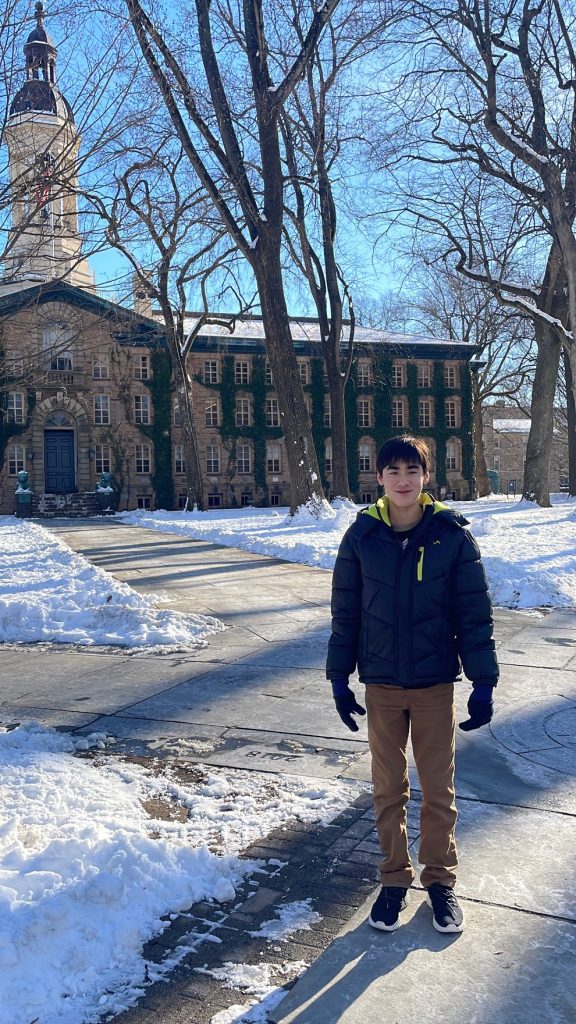
Our final elite university on the tour was Princeton, located in the aptly-named town of Princeton, New Jersey. It was about an hour-and-a-half drive from UPenn, and the trip took us through some remarkable winter scenery in the countryside. When we arrived, it wasn’t quite as cold as it had been at Harvard, but many of the trees were still decked out with snow, and the ground was frozen in many places.
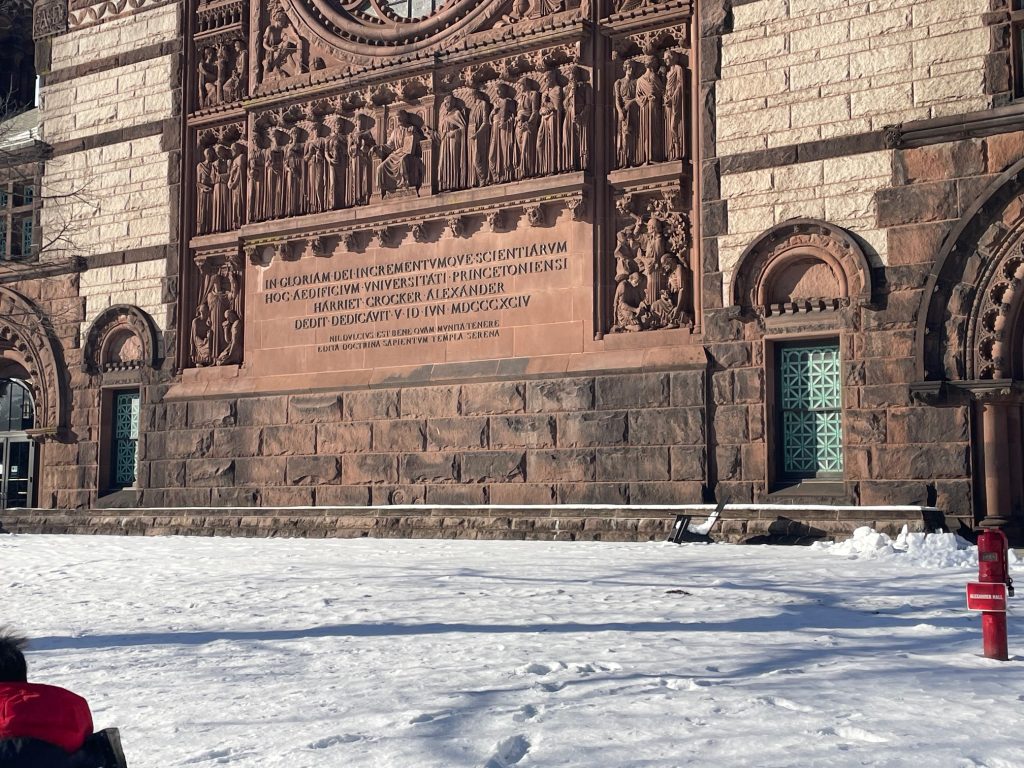
Almost immediately it became clear that Princeton wasn’t fooling around with its campus layout and architecture. The main gates were tall and ornate, and a colossal hall loomed just inside the entrance with grandiose, neo-gothic design. (There’s a myth about the main gate of the campus, in fact, that anyone who walks through it will never graduate and will be cursed with having to study for the rest of their life. So please make an attempt to walk through one of the flanking side gates). The campus was large and contained several open green spaces, and even a few paths where maintenance carts, small vehicles, and bicycles could move.
We happened to have a student tour guide while visiting Princeton. He was a Mechanical Engineering major, and gave us some key insights into his admissions experience. Although his stats had not been impressive on a national level, he told us, his personal statement essay was so impressive that it enabled him to get into Princeton and one other college on his application list. However, he’d applied Early Decision (ED), so he was forced to attend Princeton. He definitely wasn’t regretting his choice, though; campus life was extraordinary with small eating clubs available to participate in for extra social stimulation.
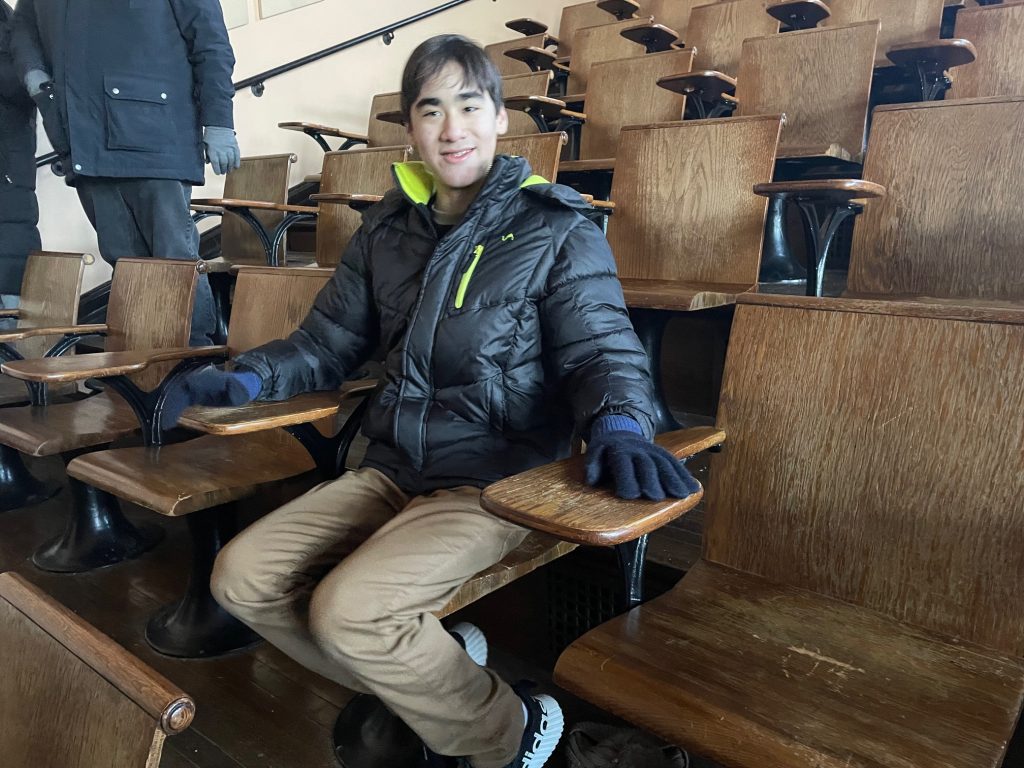
Our large amount of alloted time for this tour allowed us to enter several buildings, including a breathtaking sanctuary with ceilings at least eighty feet tall, and Room 302, where Albert Einstein once gave a lecture. We also walked past the many eating clubs on campus, one of which our tour guide was a member of personally. We also discovered that Princeton has a prominent music department, making the university another promising possibility in similar ways to Yale. However, you aren’t allowed to double major at Princeton, but that’s probably for the better.
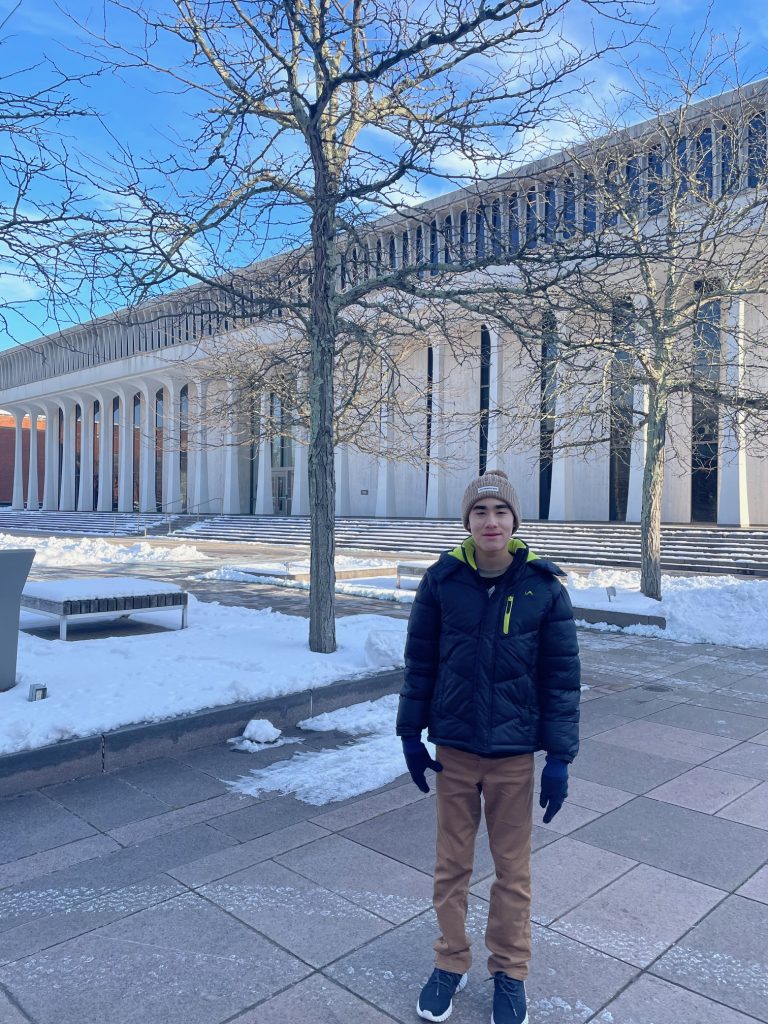
Overall, I found Princeton to be one of the most impressive universities on our tour, if not the most impressive one. Combined with its stunning campus layout, flexible programs, and outside social opportunities, this was definitely a more-than-notable college. Enjoy our many photos below!