Category: Travel Logs

  • 2026 Ivy League Tour Log 3: UPenn and Princeton

    Here we are on the final log of the 2026 Ivy League Tour (although there might be a special fourth log containing some additional information about Columbia and Juilliard). On Wednesday, we visited the University of Pennsylvania and Princeton, which are about an hour and a half away from each other.

    I was thoroughly stunned by many aspects of Princeton, ranging from the breathtaking campus design, to the versatile student programs, and the expansive classrooms and halls. UPenn was slightly less memorable and notable, and ranked more among Brown and Harvard. Overall, it seemed like Princeton surpassed Yale in all categories, although the two colleges are still pretty close in overall score.

    University of Pennsylvania (Score: 3.8 / 5)

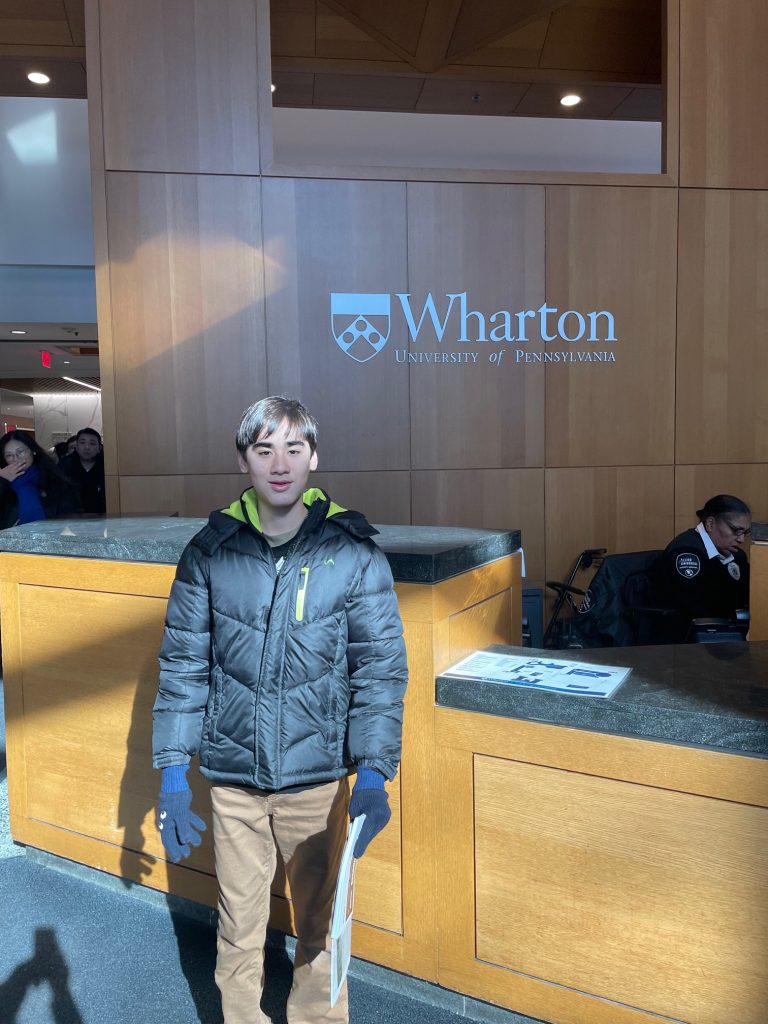
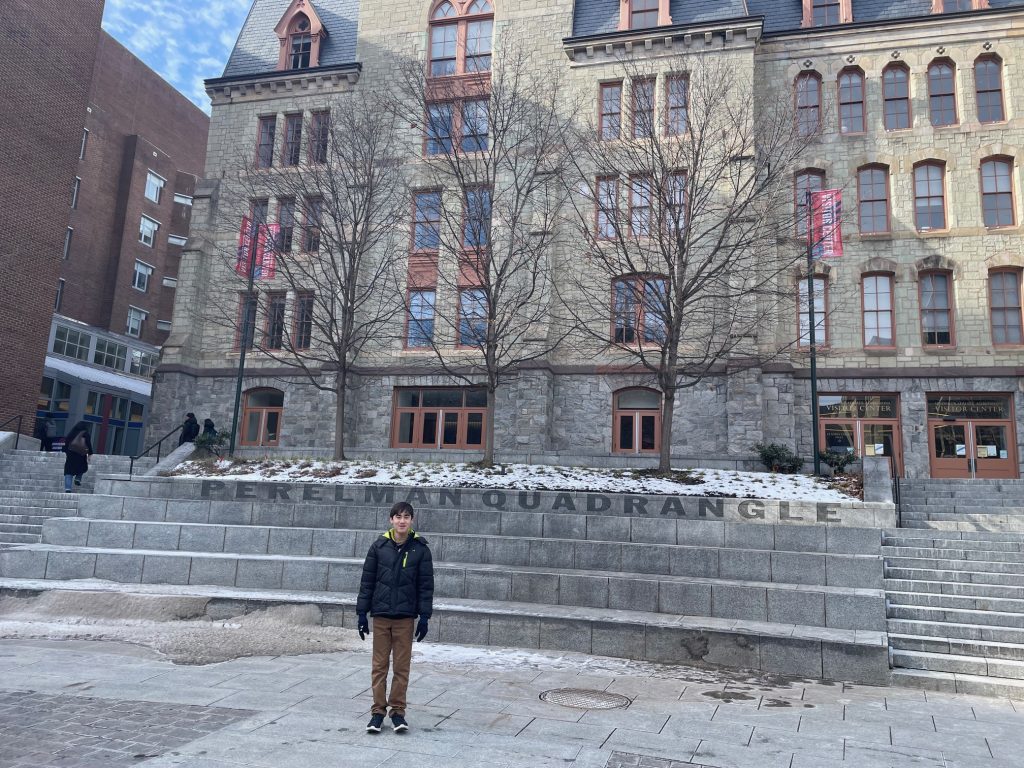
    Located in West Philadelphia, UPenn’s campus is about the same size as many of the other universities we toured. The university featuers many different departments and divisions, ranging from Penn Arts and Sciences to the Wharton school to Penn Medicine. On the tour, we entered some of the buildings from the Wharton school–and ate lunch there–and peeked inside the Penn visitor center.

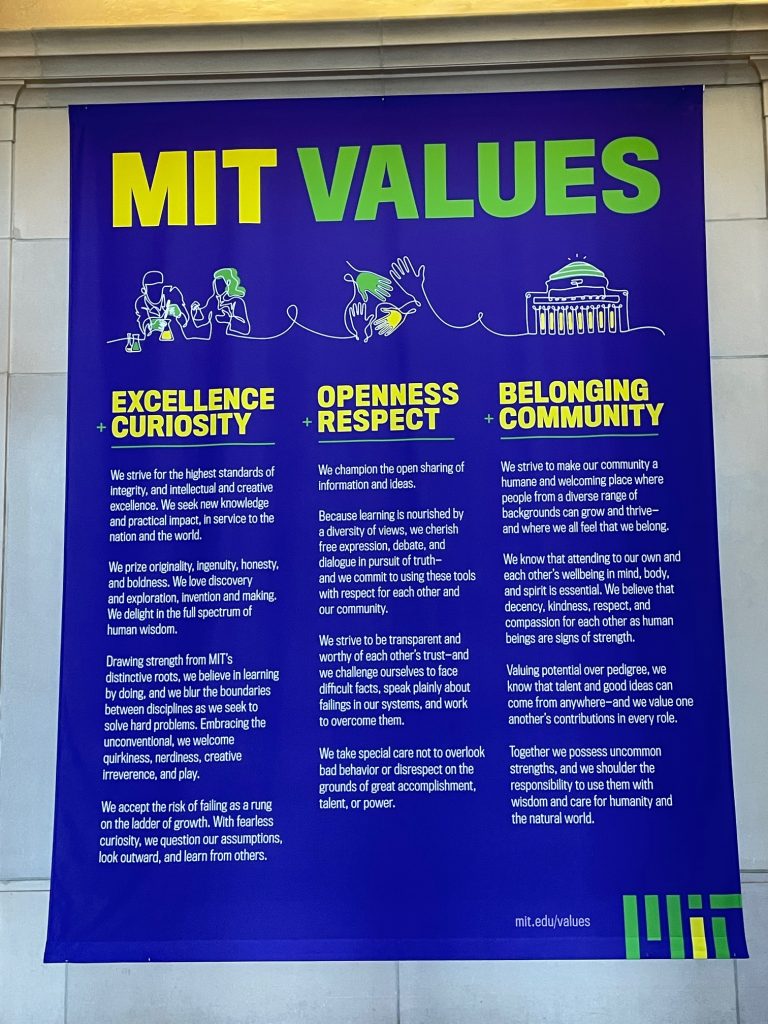
    On the whole, though, I found the UPenn campus to be very bland and not as memorable as any of the other universities. I also didn’t get a very strong sense of values or missions from the university’s message, and I was left feeling a little unsure about the principles UPenn wants to uphold. With MIT, for example, there was a clear message of curiosity, authenticity, and imagination spread throughout the campus and its mission statements. UPenn, however, didn’t seem to have any of that. This was the primary reason for its lower score.

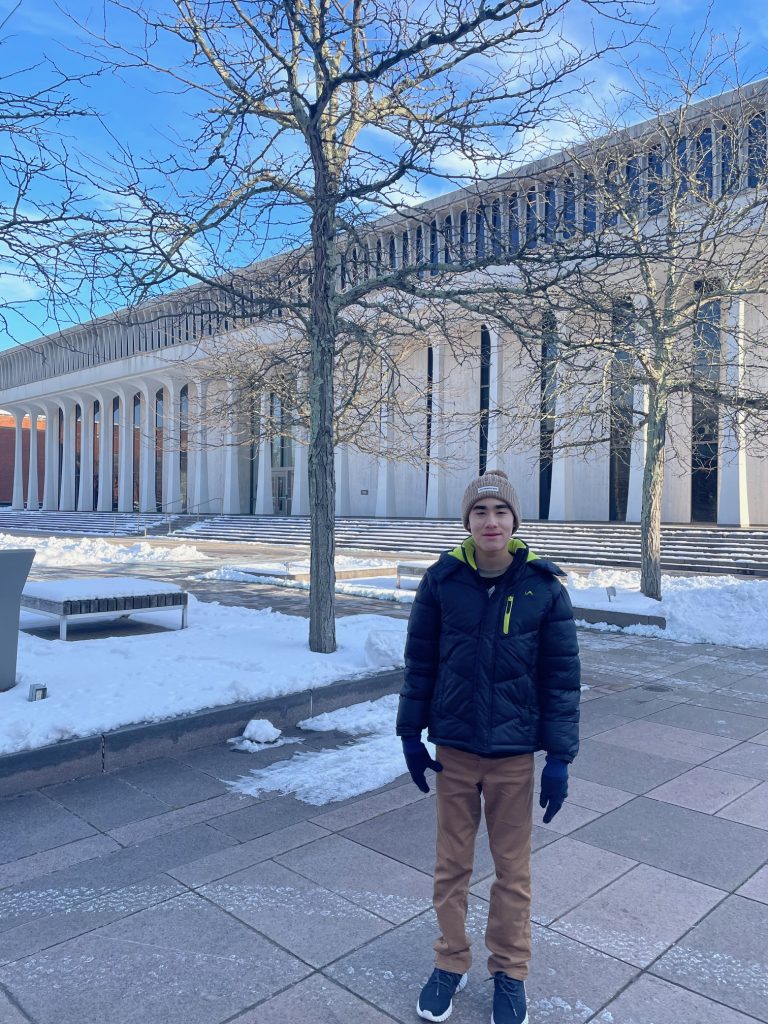
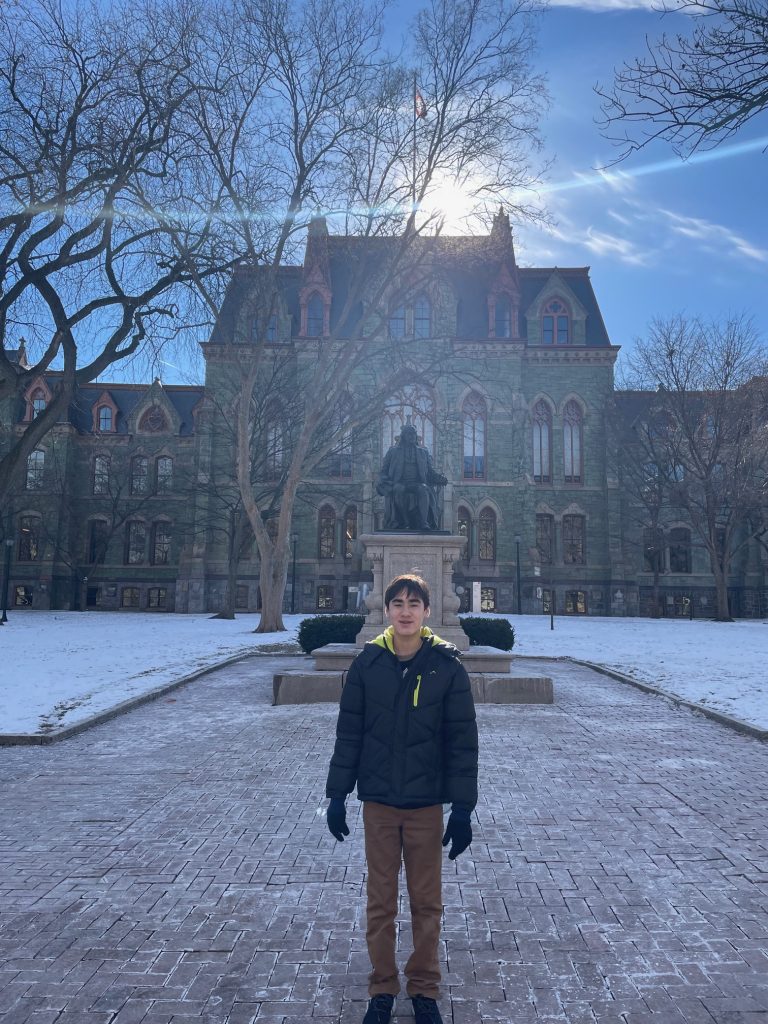
    Below, find a few photos of the UPenn campus that we took, some inside the Wharton school buildings and others inside the university’s visitor center.
    Princeton University (Score: 5.0 / 5; Tour Winner!)

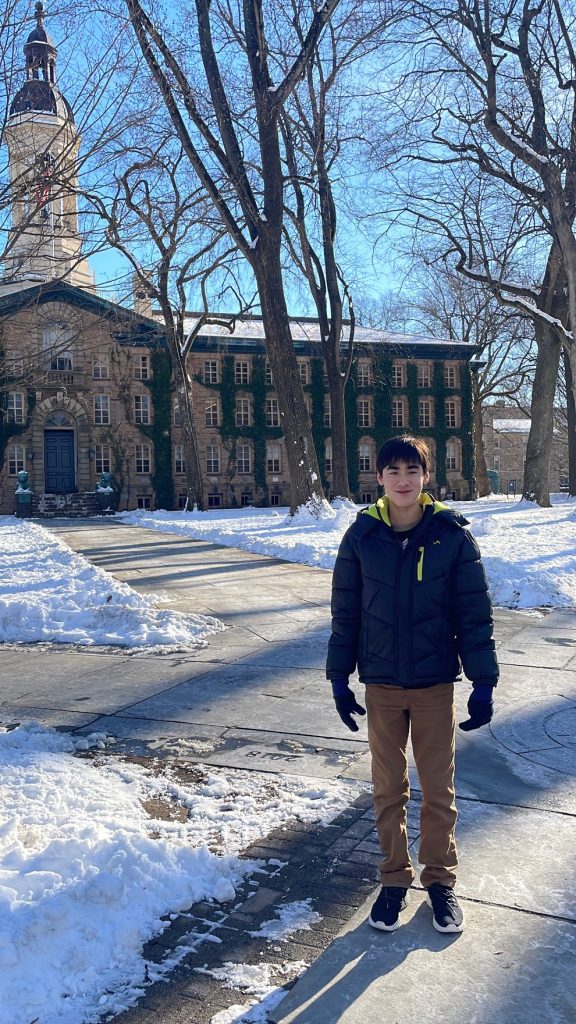
    Our final elite university on the tour was Princeton, located in the aptly-named town of Princeton, New Jersey. It was about an hour-and-a-half drive from UPenn, and the trip took us through some remarkable winter scenery in the countryside. When we arrived, it wasn’t quite as cold as it had been at Harvard, but many of the trees were still decked out with snow, and the ground was frozen in many places.

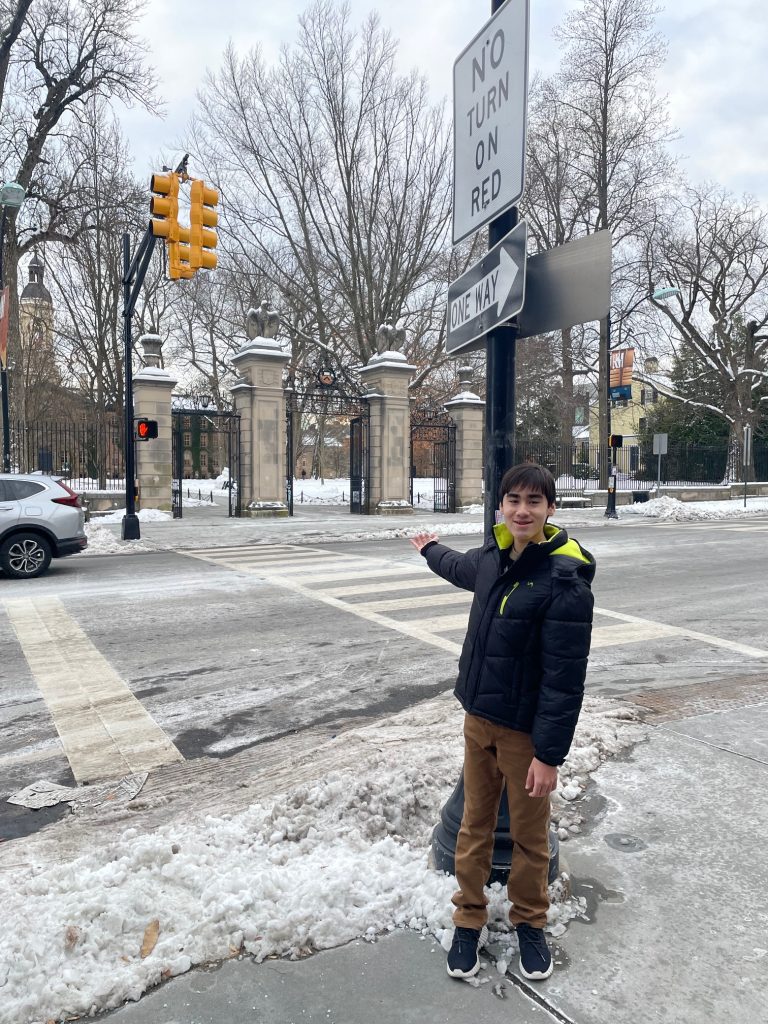
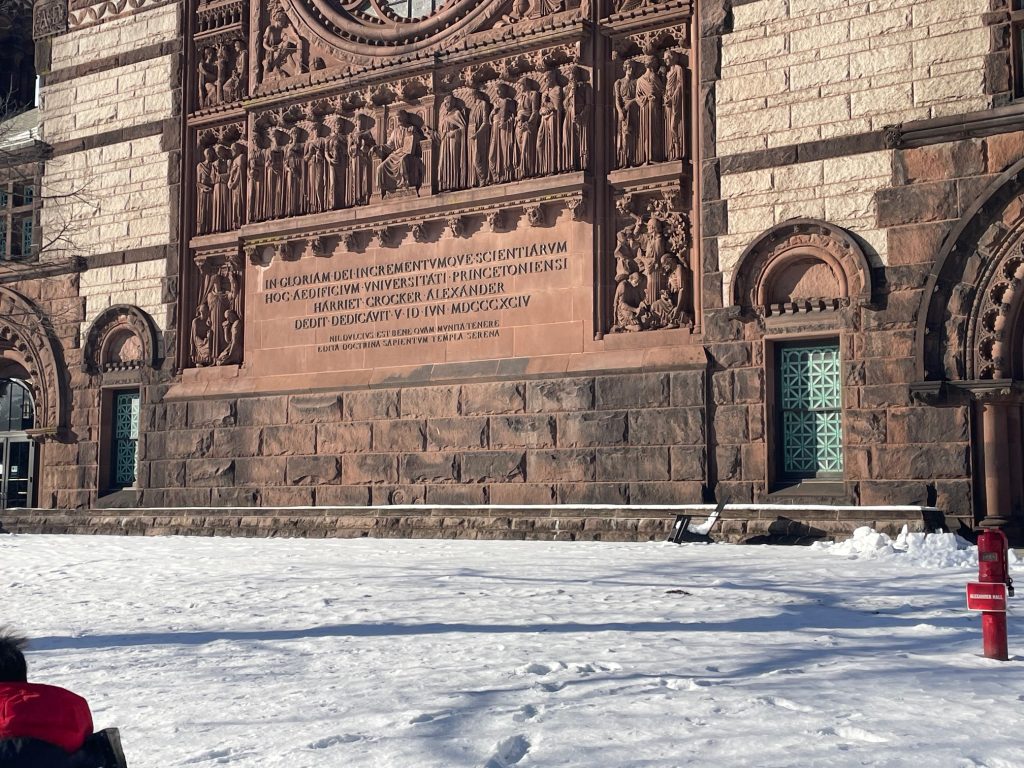
    Almost immediately it became clear that Princeton wasn’t fooling around with its campus layout and architecture. The main gates were tall and ornate, and a colossal hall loomed just inside the entrance with grandiose, neo-gothic design. (There’s a myth about the main gate of the campus, in fact, that anyone who walks through it will never graduate and will be cursed with having to study for the rest of their life. So please make an attempt to walk through one of the flanking side gates). The campus was large and contained several open green spaces, and even a few paths where maintenance carts, small vehicles, and bicycles could move.

    We happened to have a student tour guide while visiting Princeton. He was a Mechanical Engineering major, and gave us some key insights into his admissions experience. Although his stats had not been impressive on a national level, he told us, his personal statement essay was so impressive that it enabled him to get into Princeton and one other college on his application list. However, he’d applied Early Decision (ED), so he was forced to attend Princeton. He definitely wasn’t regretting his choice, though; campus life was extraordinary with small eating clubs available to participate in for extra social stimulation.

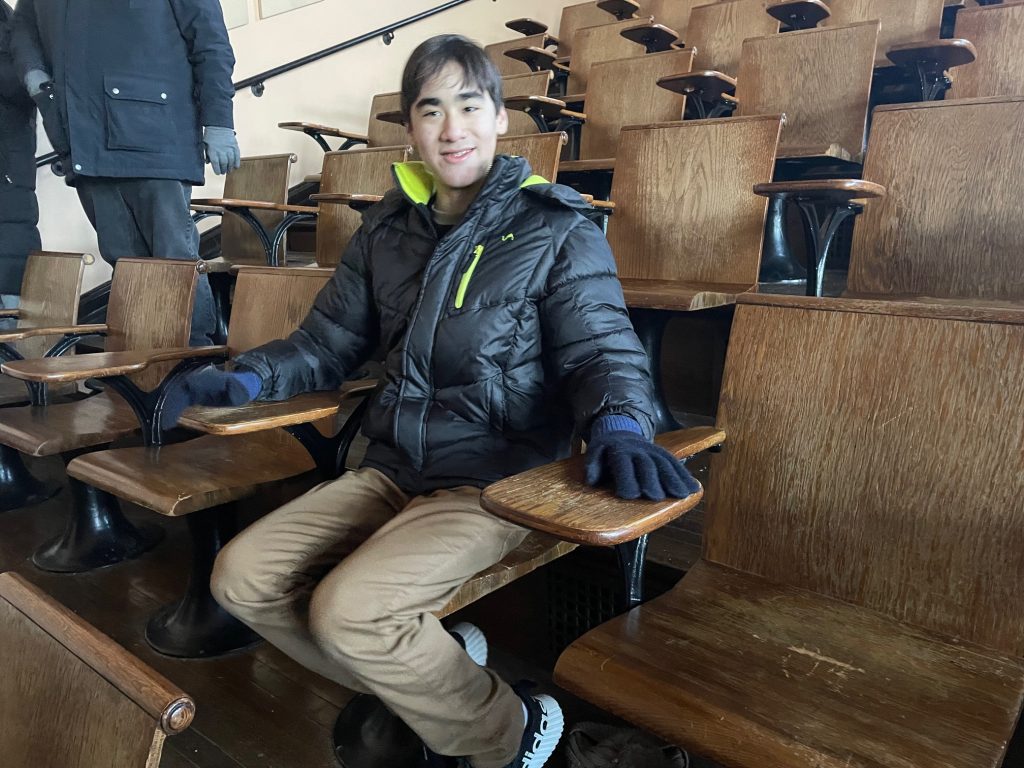
    Our large amount of alloted time for this tour allowed us to enter several buildings, including a breathtaking sanctuary with ceilings at least eighty feet tall, and Room 302, where Albert Einstein once gave a lecture. We also walked past the many eating clubs on campus, one of which our tour guide was a member of personally. We also discovered that Princeton has a prominent music department, making the university another promising possibility in similar ways to Yale. However, you aren’t allowed to double major at Princeton, but that’s probably for the better.

    Overall, I found Princeton to be one of the most impressive universities on our tour, if not the most impressive one. Combined with its stunning campus layout, flexible programs, and outside social opportunities, this was definitely a more-than-notable college. Enjoy our many photos below!
  • 2026 Ivy League Tour Log 2: MIT and Harvard Universities

    2026 Ivy League Tour Log 2: MIT and Harvard Universities

    Welcome back to Day Two of the 2026 Ivy League Tour. Today we visited the Massachusetts Institute of Technology (MIT) and Harvard, both of which are pretty close to each other in the Boston area. In this post, find some comments and a review of the two colleges, in addition to some photos.

    On the whole, I found MIT and Harvard to be pretty close to each other, in terms of quality of campus layout and diversity of student programs. MIT was drastically different architecturally from the neogothic designs of Yale and Brown, of course, but it had its own unique styles in many different ways. Harvard was more similar to Yale in terms of design and layout overall. Read more about these comments in the sections below.

    MIT (Score: 4.6/5)

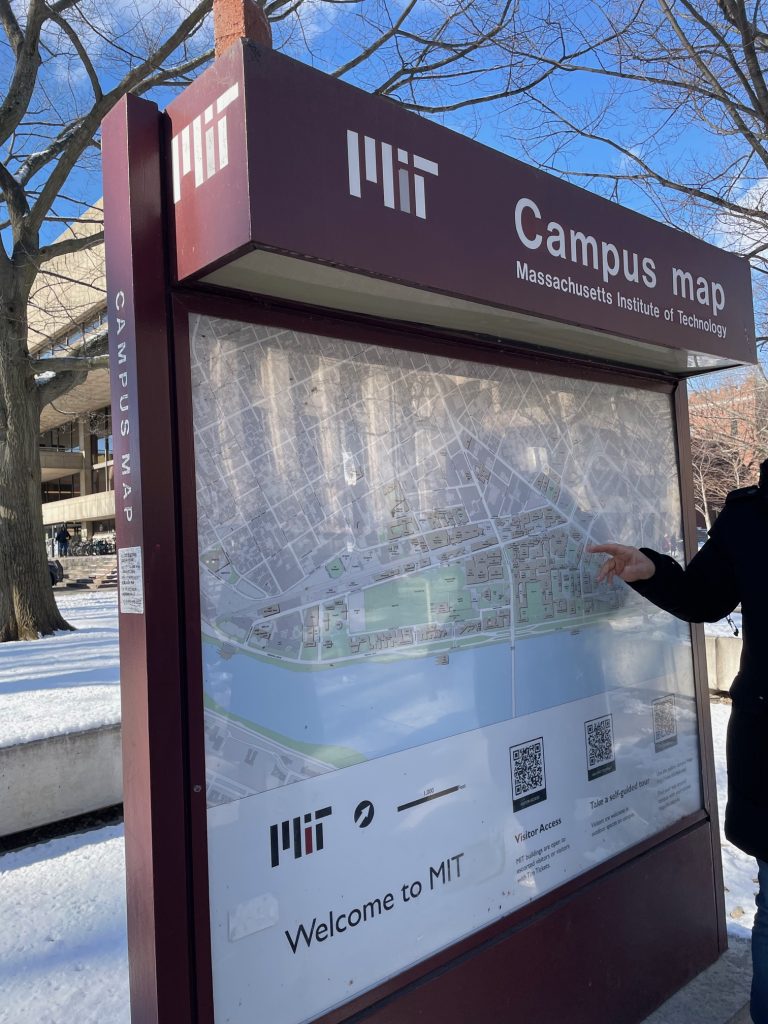
    As expected, the design and layout of the MIT college was significantly different from that of the others we’d visited. The building designs were much more modern, and occupied a larger total area. We actually ended up entering the hallways of several buildings, peeking inside the classrooms to see how things are organized. Everything seemed very organized and coordinated, and easy to keep track of.

    MIT’s classrooms still seem to use traditional chalkboards, but they have different layers of boards that you can drag down over other ones, useful for writing long equations that you don’t want to erase yet. The layout of the classroom appeared to be very comfortable (not an auditorium design though) with long rows of tables and chairs.

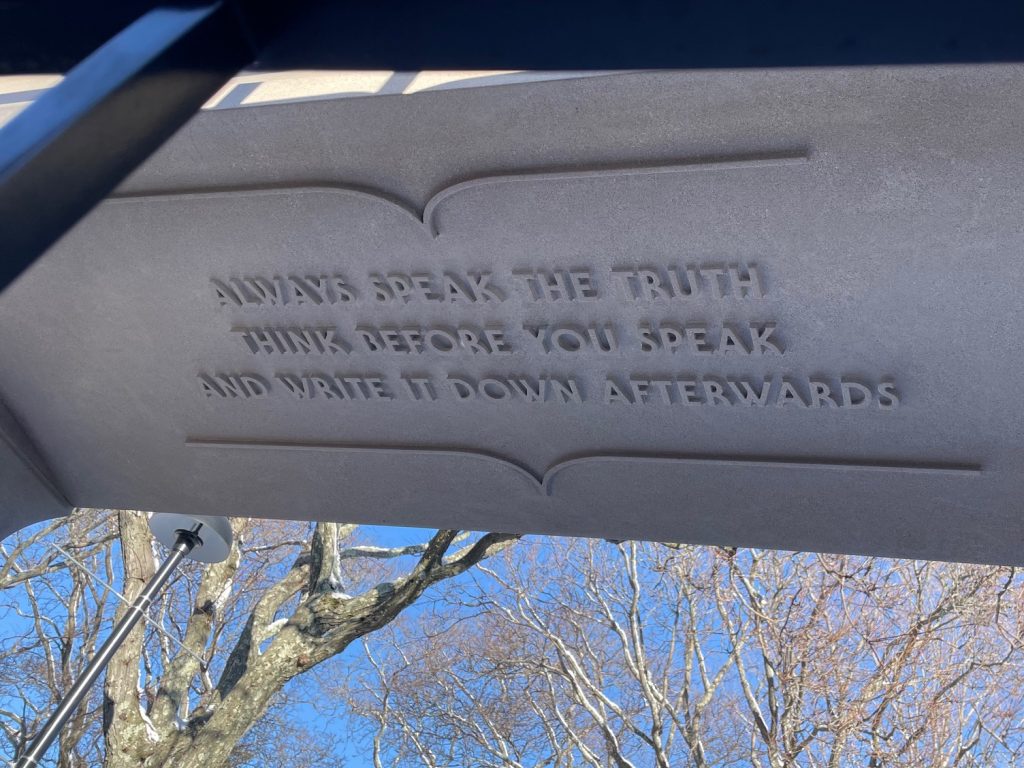
    We didn’t have a student tour guide when visiting MIT, but we did manage to check out a large number of the buildings on campus. Here are a few photos from the tour:

    Harvard (Score: 4.3 / 5)

    Our tour of Harvard took place during some of the coldest weather of the week. However, we did have a student guide to show us around the campus, which was similar to Yale in architectural style and layout. There were some hidden features and statues embedded in various gates, like the rabbits and watches present in one of the campus side gates. There was also a large dining hall that seemed to be the inspiration for the fictional Great Hall at Hogwarts.

    As with Yale, there was also a statue of Harvard’s founder in the main courtyard, and touching the toe of the statue was said to provide good luck to the students. We weren’t allowed to enter any of the buildings on the Harvard campus, however, so there really wasn’t much information or insights there.

    There is a recurring theme of the “Three Lies” at Harvard. The first one is that the statue of John Harvard in the main courtyard isn’t actually of John Harvard (the sculptor had to use a student model as no actual image was available). The second is that the university was founded in 1636, not 1638, as the statue proclaims. The final one is that John Harvard wasn’t the actual founder, and that he was only a major benefactor who donated to the university.

    While we didn’t have the opportunity to enter any buildings on the Harvard campus, it did seem like the options for outside interests and clubs weren’t as varied as with some of the other universities. There didn’t appear to be very many flyers advertising other clubs, or details about student programs or organizations outside of classes, which can be a crucial aspect of the college experience.

    Here are some photos of our adventures on the university campus:

    Winner of Day Two: MIT (based on outside student clubs, atmosphere, and class opportunities).

  • 2026 Ivy League Tour Log 1: Yale and Brown Universities

    If you’ve been following the last few blog posts closely (and by last few, I mean the ones discussing the January New York trip), you’ll probably know that this week has been reserved for a Carnegie Hall performance and an Ivy League College Tour. The first portion of this trip, the Carnegie Hall recital, has now completed (see this blog on my Substack to read more about it). Now we’ve completed the first day of the college tour, and two more days await.

    In this Discordant Harmomy blog entry, you can read more about our adventures on the East Coast on Day One of the college tour, in which we visited the prestigious Yale University and Brown University. If you don’t see any photos right now, that probably means we’re still trying to get them added and set up.

    Yale University (Score: 4.8 / 5)

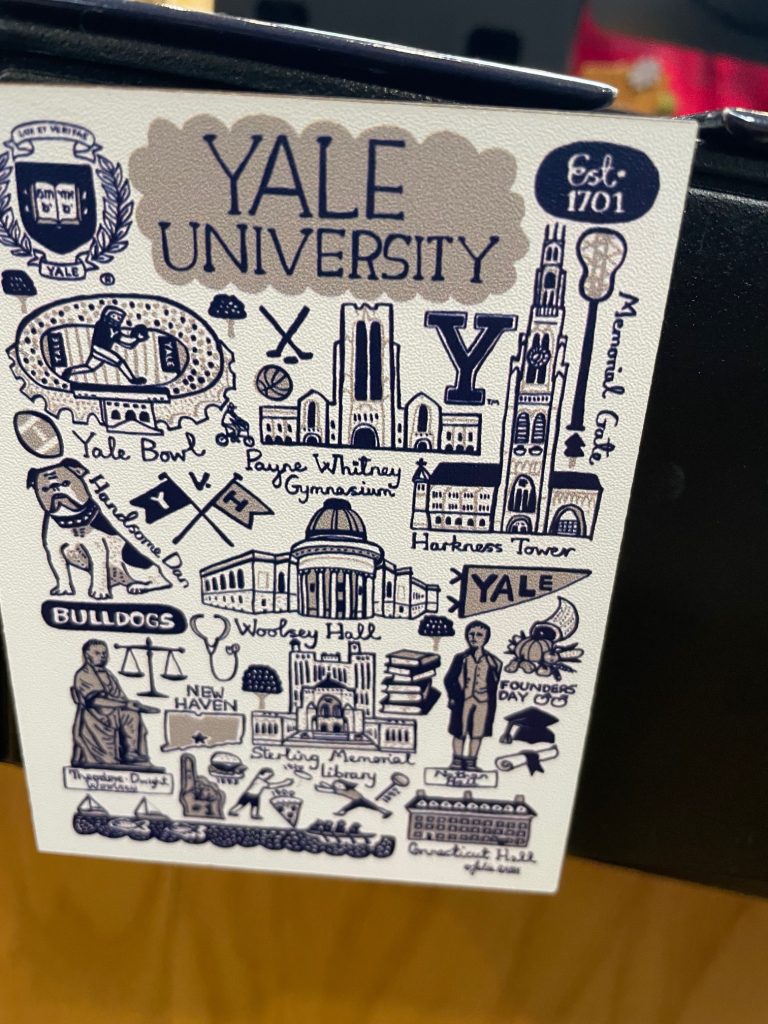
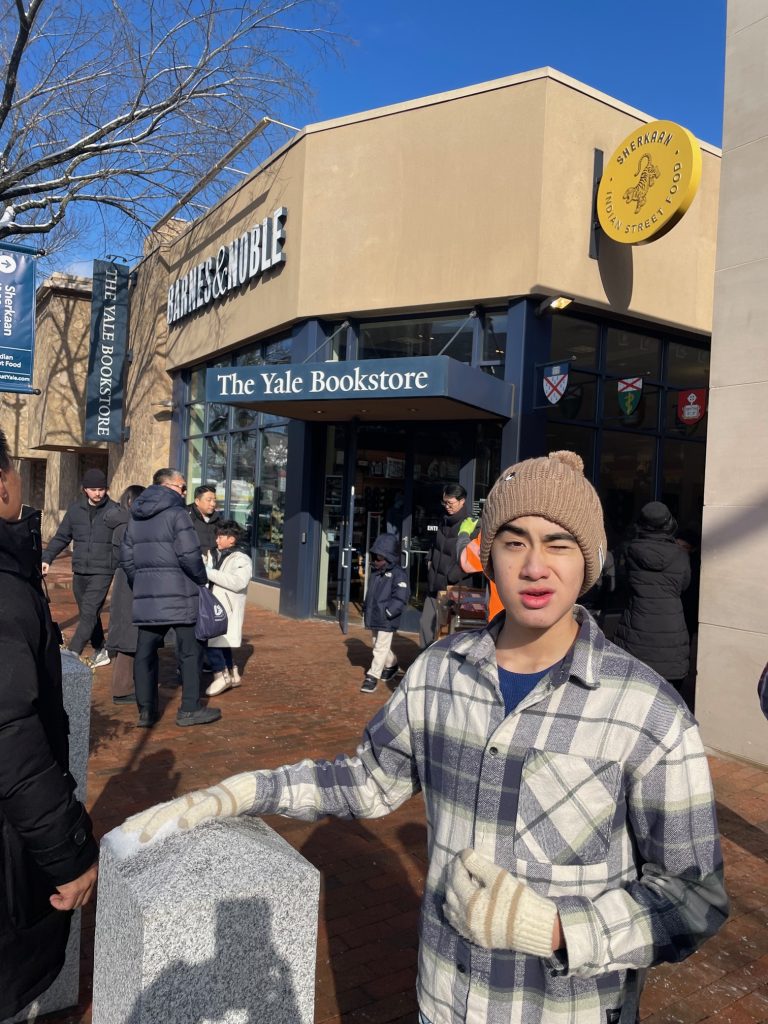
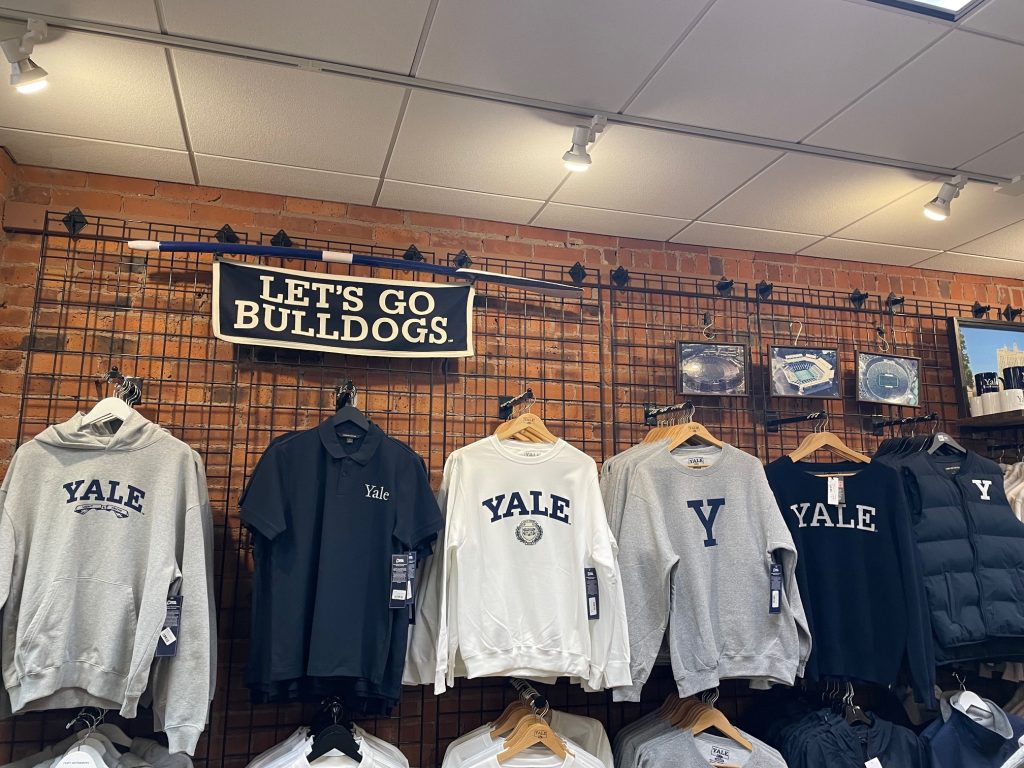
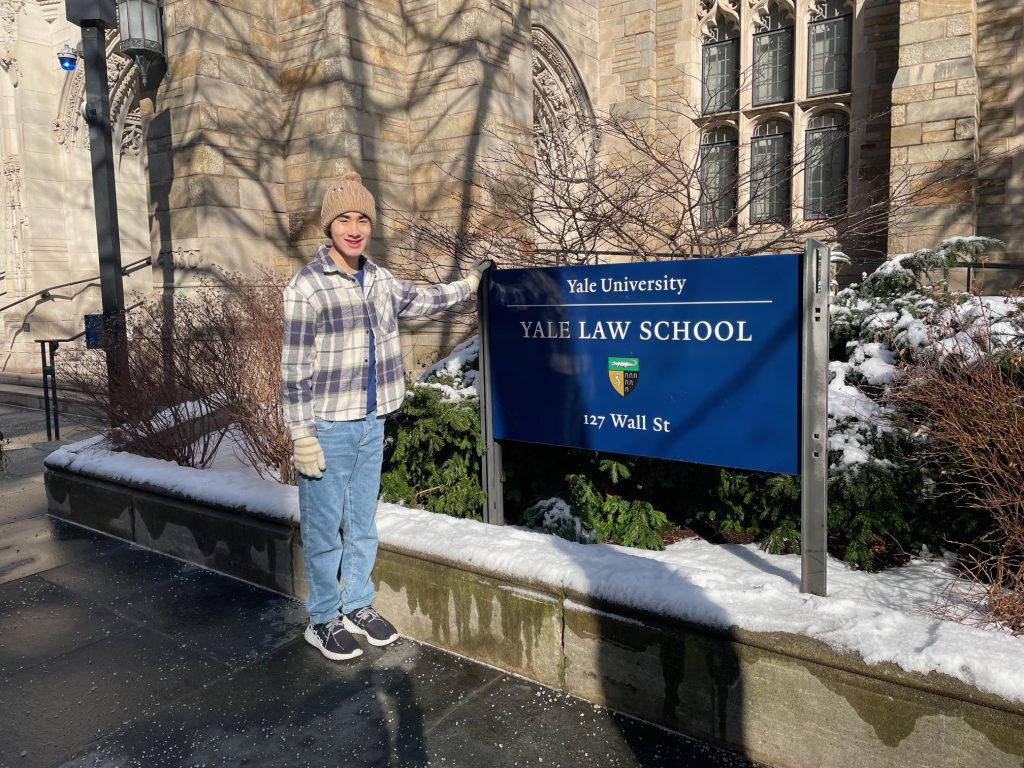
    Yale’s campus is spread out over the entire city of New Haven, and this immediately stuck out to me when we commenced the tour. Buildings are arrayed across several blocks in the city, creating an interesting kind of aesthetic that’s highly unique. It can sometimes take quite a walk to get frmo one end of the campus to another, but it’s also refreshing to live on a campus with so much open space–lawns, greeneries, embedded parks–rather than one that’s extremely tightly packed.

    United Kingdom universities, such as Cambridge and Oxford, helped to inspire the architectural style of the Yale campus. Its sweeping roofs and grand, imposing halls have roots in Neo-Gothic architecture, which emerged in the early 1700s. There’s even a clock tower on campus that looms over all the other buildings, providing students an opportunity to join the bell program and play their choice of songs. We also saw an underground library accessible through a secluded staircase, which looked like a great opportunity to get some quiet studying done.

    Nothing outmaches the importance of Yale’s historic artifacts, as evidenced by the campus’s windowless and unordinary library. Perhaps the most surprising–and fascinating–part of the tour was our visiting of this building, where ancient artifacts and books are stored, shielded from the UV light. The books and items are so delicate that students must request the titles in advance to be delivered to a special reading room (the books themselves are stored in isolated boxes) and have a limited amount of time to read them. And, if there’s ever a building fire, the oxygen must be sucked out of the library to preserve the books, giving anyone still inside only one minute to escape.

    Having visited Harvard, MIT, and Brown University in addition to Yale, I’d definitely say that Yale outranked all of them, not just in architectural design and campus layout but in their diversity of careers. (Yale also has an incredible downtown area with a great pizza and pasta shop!) There’s the famous Yale Law School, yes, but there’s also a music division and the renowned Yale School of Medicine. There are several career paths available, which is something that I try to look for when exploring colleges and universities.

    And now, onto the second university of Day 1–Brown. Time to leave Connecticut and visit the picturesque Rhode Island!

    Brown University (Score: 4.0 / 5)

    Photos coming soon…

    Not surprisingly, Brown University was relatively similar in layout to a couple of the other colleges we’d toured (Harvard, for example). However, it was much more tightly packed than any of the others, especially Yale. Many of the buildings were confined to a central area, rather than being spread around the town as with New Haven. The architecture didn’t come across as quite as impressively as with Yale, but more importantly, I didn’t get the same feeling of diversity and openness of career choices as with the other universities.

    Although we weren’t allowed to enter any of the buildings on the Brown campus–as with Yale–we did end up getting brief looks at some of the statues on campus. For example, the mascot of the Brown university is the bear. There’s a large bear statue on campus, so we all took photos there. Some of the other statues were interesting and notable, but on the whole there didn’t seem to be as much green space and open areas as with the other few colleges.

    Here’s the question–which of the two colleges mentioned in this first blog post seem to have the better experience for students, whether having to do with open campus areas or diversity of instruction? At the moment, the winner seems to be Yale University. We have two more colleges to visit on this tour, but there are still two that have yet to be covered on this blog. So–stay tuned for further information!

    Winner of Day One: Yale University